

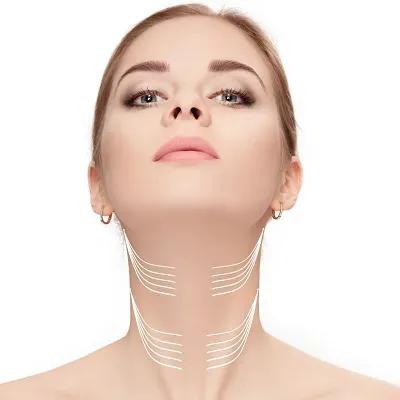
Neck Lift Surgery in Islamabad
Neck lift surgery is a cosmetic procedure designed to improve the appearance of the jawline and neck by removing excess skin, tightening underlying muscles, and reducing unwanted fat deposits. As people age, the neck often develops loose skin, wrinkles, and sagging that can make a person appear older than they feel. Many individuals explore surgical options to restore a smoother and more youthful neck contour. When considering Neck Lift Surgery in Islamabad understanding the potential side effects is an essential part of making an informed decision. Although the procedure is generally considered safe when performed by a qualified surgeon, patients should be aware of the temporary and possible long-term effects associated with the treatment.
Understanding Neck Lift Surgery
A neck lift focuses on improving the lower facial and neck region by addressing concerns such as sagging skin, muscle banding, excess fat, and loss of definition along the jawline. The procedure may be performed alone or combined with other facial rejuvenation treatments. Surgeons customize the approach according to the patient’s anatomy, aesthetic goals, and the degree of aging present in the neck area.Like any surgical procedure, a neck lift involves incisions, tissue manipulation, and a healing period. As a result, certain side effects are expected during recovery. Most of these effects are temporary and gradually improve as the body heals.
Why Side Effects Occur After Surgery?
The body naturally responds to surgery through inflammation and tissue repair processes. During a neck lift, the skin and underlying structures are adjusted to create a firmer appearance. This creates temporary trauma to the tissues, leading to symptoms such as swelling, bruising, and discomfort. These reactions are normal and indicate that the healing process has begun.The severity and duration of side effects vary from person to person. Factors such as age, skin quality, overall health, surgical technique, and adherence to post-operative instructions can influence recovery outcomes.
Swelling After Neck Lift Surgery
Swelling is one of the most common side effects experienced after a neck lift. Following surgery, the body's inflammatory response causes fluid accumulation in the treated area. Patients often notice puffiness around the neck, jawline, and lower face during the first few days.The swelling may appear more noticeable in the morning and gradually decrease throughout the day. Most swelling improves significantly within a few weeks, although minor residual swelling can persist for several months. Proper head elevation, adequate rest, and following the surgeon’s recommendations can help minimize this side effect.
Bruising Around the Neck and Jawline
Bruising frequently accompanies swelling after neck lift surgery. Blood vessels beneath the skin can become disrupted during the procedure, leading to discoloration in the surrounding tissues. Bruises may range from light purple to deep blue or yellow as they heal.The intensity of bruising varies among patients. Some individuals experience only mild discoloration, while others may notice more extensive bruising that extends toward the chest area. In most cases, bruising gradually fades within two to three weeks.Patients are often advised to avoid medications and supplements that may increase bleeding risk before and after surgery to reduce the severity of bruising.
Mild to Moderate Pain and Discomfort
Pain is a natural part of recovery following any surgical procedure. Most patients report mild to moderate discomfort rather than severe pain after a neck lift. Tightness, soreness, and tenderness around the neck are commonly experienced during the initial recovery phase.Prescription or over-the-counter pain medications may be recommended to help manage discomfort. As healing progresses, pain gradually subsides, and most patients find that discomfort becomes significantly more manageable within the first week.
Tightness and Restricted Neck Movement
Many patients notice a sensation of tightness in the neck after surgery. This occurs because tissues have been repositioned and tightened to achieve a more youthful contour. The feeling can make neck movements seem limited or uncomfortable initially.This side effect is generally temporary and improves as the tissues settle into their new position. Gentle movement, when approved by the surgeon, can support recovery and help reduce stiffness.Although temporary tightness is expected, patients should avoid forcing neck movements during the healing period to prevent unnecessary strain on the surgical area.
Numbness and Changes in Sensation
Temporary numbness is another common side effect of neck lift surgery. During the procedure, small sensory nerves may be affected, resulting in reduced sensation around the neck, ears, or jawline.Patients may experience tingling, numbness, or unusual sensations as the nerves begin to recover. These symptoms often improve gradually over several weeks or months. In many cases, sensation returns completely.Rarely, some individuals may experience longer-lasting changes in sensation. Discussing potential nerve-related effects with the surgeon before surgery can help establish realistic expectations.
Scarring After the Procedure
Scarring is an unavoidable aspect of any surgery involving incisions. Neck lift incisions are usually placed in discreet locations, such as behind the ears or beneath the chin, to make scars less noticeable.Initially, scars may appear red, raised, or slightly firm. Over time, they generally soften and fade, becoming less visible. Proper wound care, sun protection, and adherence to post-operative instructions can support favorable scar healing.While most patients heal with minimal visible scarring, individual healing patterns vary. Genetics, skin type, and lifestyle factors can influence scar appearance.
Temporary Difficulty Swallowing
Some patients experience mild difficulty swallowing during the early stages of recovery. Swelling and tissue adjustments in the neck can contribute to this sensation. The feeling is usually temporary and resolves as inflammation decreases.
Risk of Infection
Although uncommon, infection is a possible side effect associated with neck lift surgery. Surgical incisions create entry points through which bacteria can potentially enter the body.
Hematoma Formation
A hematoma occurs when blood collects beneath the skin following surgery. This condition is considered one of the more significant complications that can occur after a neck lift.Patients with a hematoma may notice sudden swelling, increased pain, or firmness in the treated area. Small hematomas may resolve naturally, while larger collections may require medical intervention.
Seroma Development
A seroma refers to the accumulation of clear fluid beneath the skin. This can occur as tissues heal and fluid collects in spaces created during surgery.Small seromas may be absorbed naturally by the body, while larger ones might require drainage by a healthcare professional. Symptoms may include swelling, a sensation of fluid movement, or localized fullness.Regular follow-up appointments allow surgeons to monitor healing and address any concerns promptly.
Skin Irregularities and Contour Changes
As swelling subsides and tissues settle, some patients may notice temporary unevenness in the neck contour. Minor irregularities often improve naturally during the healing process.The final results of a neck lift may take several months to become fully apparent. Patience is important, as tissues require time to adapt and heal completely.Significant contour irregularities are uncommon when the procedure is performed by an experienced surgeon, but revision procedures may occasionally be considered if necessary.
Hair Loss Around Incision Sites
Temporary hair thinning or hair loss may occur near incision locations, particularly around the ears. This side effect is usually related to surgical trauma and tension placed on nearby hair follicles.In many cases, hair growth returns as healing progresses. Permanent hair loss in these areas is relatively uncommon but can occur in rare situations.Careful surgical planning and proper incision placement help minimize this risk.
Delayed Wound Healing
Some patients may experience slower-than-expected healing following neck lift surgery. Factors such as smoking, poor nutrition, diabetes, and certain medical conditions can affect the body's ability to repair tissues efficiently.Delayed healing may increase the likelihood of visible scarring or infection. Maintaining a healthy lifestyle before and after surgery can support the healing process and improve overall recovery outcomes.Patients should communicate openly with their surgeon about any medical conditions that may influence healing.
Nerve Injury Risks
Although uncommon, nerve injury is a potential complication associated with neck lift procedures. The neck contains important nerves that control sensation and muscle movement.Temporary nerve irritation may cause numbness, tingling, or mild weakness. Permanent nerve damage is rare but can affect facial expressions or sensation if it occurs.Choosing a qualified and experienced surgeon significantly reduces the risk of nerve-related complications.
Emotional and Psychological Effects
Recovery from cosmetic surgery involves both physical and emotional adjustments. Swelling, bruising, and temporary changes in appearance may cause anxiety or concern during the healing process.It is important for patients to understand that final results take time to develop. Maintaining realistic expectations and following medical guidance can help reduce emotional stress during recovery.Many patients experience increased confidence and satisfaction once healing is complete and the desired improvements become visible.
Reducing the Risk of Complications
While side effects cannot be eliminated entirely, certain measures can help minimize risks. Selecting a qualified surgeon with extensive experience in facial procedures is one of the most important decisions a patient can make. Thorough consultation, honest discussion of medical history, and realistic expectations contribute to a safer surgical experience.Proper hydration, balanced nutrition, avoiding smoking, and adhering to all recovery instructions support healing and reduce the chances of complications. Patients should also avoid strenuous activities until cleared by their surgeon.
Conclusion
Neck lift surgery can provide noticeable improvements in neck contour and overall facial harmony, but understanding the potential side effects is essential before undergoing the procedure. Common effects such as swelling, bruising, discomfort, tightness, and temporary numbness are usually part of the normal healing process and gradually resolve with time. Less common complications, including infection, hematoma, seroma, nerve injury, and delayed healing, may occur but can often be minimized through careful surgical planning and proper aftercare.