
Fat transfer is a modern cosmetic procedure designed to reshape and enhance specific areas of the body using your own natural fat. It has gained popularity because it avoids synthetic fillers and instead relies on the body’s own tissue for volume restoration. Many people prefer it due to its natural-looking outcomes and long-lasting effects. In today’s aesthetic medicine, Fat Transfer Treatment in Islamabad has become a commonly requested procedure for individuals seeking safe and refined body contouring solutions.This treatment is widely chosen by people who want subtle enhancement without implants or artificial substances. It offers a dual benefit by removing unwanted fat from one area and using it to improve another. The process is carefully planned to ensure smooth results that align with natural body proportions.
Understanding Fat Transfer Treatment
Fat transfer, also known as fat grafting or lipofilling, is based on a simple yet effective principle: harvesting fat from one part of the body and reinjecting it into another area that requires volume enhancement. Common donor sites include the abdomen, thighs, or flanks, where excess fat is usually stored.Once collected, the fat is processed and purified to remove impurities such as blood and oil. Only healthy fat cells are selected for reinjection. This ensures that the transferred fat integrates well with the receiving area, promoting natural healing and long-term survival of the fat cells.This technique is widely used for facial rejuvenation, breast enhancement, buttock augmentation, and correcting body asymmetry. Because it uses the patient’s own tissue, the risk of allergic reaction or rejection is extremely low, making it a safe and biocompatible option.
How Fat Transfer Procedure Works?
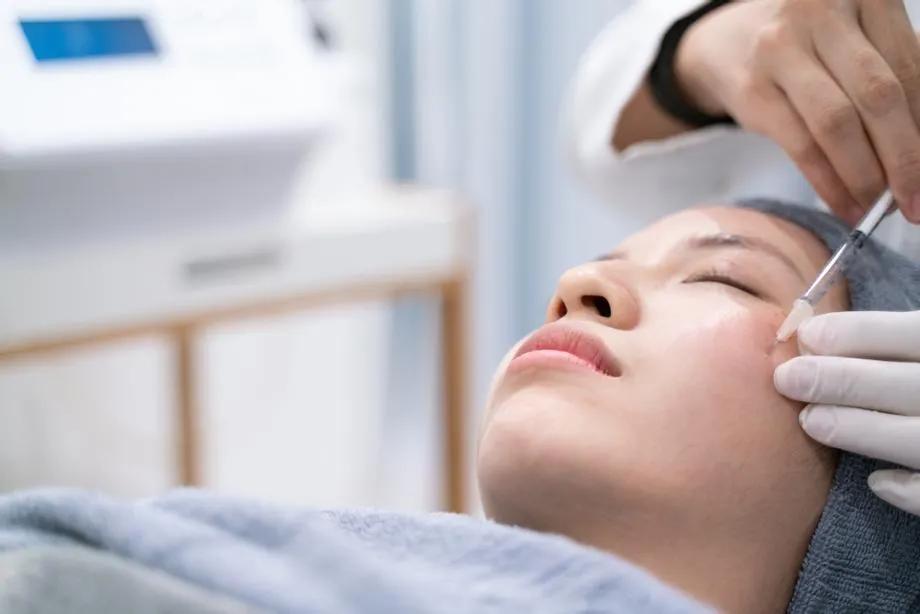
The fat transfer process is carried out in multiple carefully controlled stages to ensure precision and safety. It begins with consultation and assessment, where the surgeon evaluates the patient’s body type, available fat deposits, and aesthetic goals. A customized plan is then created based on individual needs.The first step of the procedure involves fat harvesting through a gentle liposuction technique. A small cannula is inserted into the donor area to extract fat cells with minimal trauma. This step is performed with precision to preserve the integrity of fat cells, as their survival depends on careful handling.After harvesting, the fat undergoes purification. It is processed using specialized techniques that separate healthy fat cells from unwanted fluids and damaged tissue. This refined fat is then loaded into syringes for reinjection.The final stage involves injecting the purified fat into the target area in small, controlled amounts. The surgeon places the fat in layers to ensure even distribution and proper blood supply formation. This helps the transferred fat integrate naturally into surrounding tissues, creating a smooth and balanced appearance.Over time, the body accepts the living fat cells, and they establish a stable blood supply. The result is a natural enhancement that gradually becomes permanent as the fat adapts to its new location.
Ideal Candidates for Fat Transfer
Not everyone is automatically suitable for fat transfer procedures, so proper evaluation is essential. Ideal candidates are individuals who have enough excess fat in donor areas and wish to improve volume in other parts of the body.People who seek natural enhancement without implants often prefer this treatment. It is also suitable for those who have experienced volume loss due to aging, weight fluctuations, or genetics. Individuals in good general health with realistic expectations tend to achieve the best outcomes.Patients should also have stable body weight, as significant weight changes after the procedure can affect results. A consultation with a qualified specialist helps determine whether the procedure is appropriate for specific goals and body structure.
Benefits of Fat Transfer Treatment
One of the biggest advantages of fat transfer is its natural approach. Since it uses the patient’s own fat, the results look and feel more organic compared to synthetic fillers or implants. This makes it an appealing option for those who prioritize subtlety and authenticity in aesthetic enhancements.Another benefit is body contouring. The procedure not only enhances target areas but also reduces unwanted fat from donor regions. This dual effect helps improve overall body proportion and balance.The risk of allergic reaction is extremely low because no foreign material is introduced into the body. Additionally, fat transfer results can be long-lasting, especially when the fat cells successfully establish blood supply in the new area.It also provides flexibility, as it can be used for both facial and body enhancements. Common applications include cheek augmentation, under-eye correction, breast enhancement, and buttock contouring.
Recovery and Aftercare
Recovery after fat transfer is generally smooth, but it requires proper care to ensure optimal results. Patients may experience mild swelling, bruising, or tenderness in both donor and recipient areas during the initial days. These effects are temporary and gradually subside.Doctors usually recommend avoiding pressure on the treated areas to allow fat cells to settle properly. For example, sitting directly on the buttocks may be restricted for a short period if that area has been treated. Similarly, facial procedures require careful handling to avoid disturbing the injected fat.Light activities can usually be resumed within a few days, but strenuous exercise should be avoided for a few weeks. Following post-procedure instructions is essential for maximizing fat survival and ensuring smooth healing.Hydration, a balanced diet, and avoiding smoking also play a significant role in recovery. Smoking, in particular, can reduce blood flow and negatively impact fat survival rates.
Possible Risks and Considerations
Although fat transfer is generally safe, it is still a medical procedure and carries some potential risks. These may include temporary swelling, bruising, infection, or uneven fat absorption.In some cases, the body may reabsorb a portion of the transferred fat, which can slightly reduce the final volume. This is why surgeons often transfer a slightly higher amount of fat to compensate for natural absorption.Choosing an experienced and qualified practitioner significantly reduces the risk of complications. Proper technique and sterile conditions are essential for achieving safe and predictable results.Patients should also maintain realistic expectations, as results depend on individual healing patterns and body response.
Longevity and Results
The longevity of fat transfer results depends on how well the fat cells integrate into the new area. Once the fat establishes a stable blood supply, it behaves like natural tissue and can last for many years.However, long-term results are influenced by lifestyle factors such as weight stability and overall health. Significant weight gain or loss can affect the appearance of treated areas because fat cells expand or shrink along with the body.Most patients notice final results after a few months once swelling completely subsides and the fat stabilizes. The outcome is typically gradual, natural, and harmonious with the body’s proportions.
Conclusion
Fat transfer is a highly effective cosmetic procedure that offers natural enhancement by using the body’s own fat. It provides a safe alternative to synthetic implants while delivering long-lasting and natural-looking results. From facial rejuvenation to body contouring, it serves multiple aesthetic purposes with minimal risk and high satisfaction rates. With careful planning, proper technique, and good aftercare, patients can achieve refined and balanced results that enhance their overall appearance.