

Buffalo Hump Removal in Islamabad
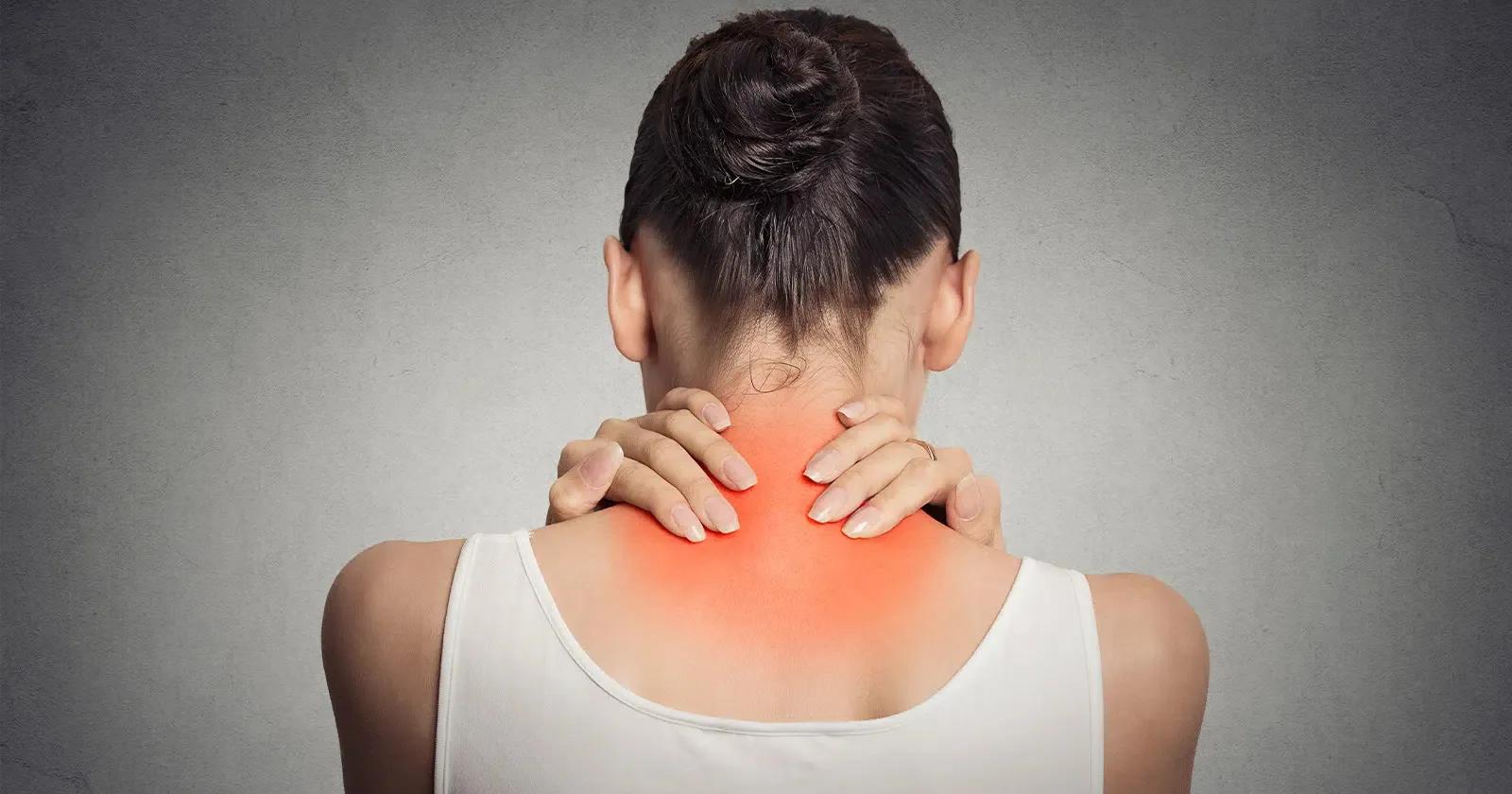
Buffalo hump is a localized fat deposit at the upper back and lower neck region that can create both aesthetic and physical discomfort for many individuals. It may develop due to factors such as hormonal imbalance, poor posture, obesity, or certain medications. In many cases, people consider medical or cosmetic procedures to correct this concern when lifestyle changes do not bring improvement. The condition can affect confidence, clothing fit, and even neck mobility in more advanced cases. In recent years, interest in cosmetic correction has increased, and Buffalo Hump Removal in Islamabad has become a commonly discussed procedure among individuals seeking a more balanced upper body contour.
Understanding Buffalo Hump Removal Procedure
Buffalo hump removal is generally performed using liposuction techniques, laser-assisted fat reduction, or in some cases, non-surgical fat-dissolving treatments depending on the severity of the fat accumulation. The primary goal of the procedure is to reduce excess fat in the upper back and neck junction while improving contour and symmetry. The treatment is usually done under local anesthesia with sedation or general anesthesia in more advanced cases. Although it is considered minimally invasive in most scenarios, it is still a medical procedure that involves tissue manipulation, which naturally brings certain risks and side effects that patients should understand before making a decision.
Common Side Effects After Buffalo Hump Removal
Like any cosmetic procedure, buffalo hump correction comes with expected temporary side effects that are part of the healing process. The most common issue experienced by patients is swelling around the treated area. This occurs as the body responds to tissue trauma and begins the natural healing process. Swelling may last for several days to a few weeks depending on the individual’s recovery rate.Bruising is another frequently observed side effect. It happens due to minor blood vessel disruption during fat removal. Although it may appear concerning initially, bruising typically fades gradually without any long-term impact. Patients may also experience mild pain or tenderness in the treated area, especially during the first few days after the procedure. This discomfort is usually manageable with prescribed pain relief medications and proper post-operative care.Numbness or altered sensation in the upper back or neck region is also common. This occurs when small nerve endings are temporarily affected during the procedure. In most cases, sensation returns to normal within a few weeks or months as the nerves heal naturally.
Short-Term Side Effects and Healing Response
Short-term side effects generally appear immediately after the procedure and can last from a few days to a couple of weeks. One of the most noticeable short-term effects is fluid accumulation, also known as seroma formation. This happens when the body produces fluid in response to tissue disruption. In most cases, the fluid is either absorbed naturally or removed by a healthcare professional if necessary.Another short-term issue is tightness or stiffness in the neck and upper back area. Patients may feel restricted movement, especially when turning their head. This is usually due to swelling and internal healing processes and gradually improves with time.Mild fatigue is also common after buffalo hump removal. The body uses energy to heal internal tissues, which can make patients feel tired or less energetic for a few days. Rest and hydration play an important role in speeding up recovery during this phase.
Long-Term Side Effects and Possible Changes
Although most side effects are temporary, there are some long-term considerations that patients should be aware of. One possible outcome is uneven fat removal, which may result in slight asymmetry in the treated area. This is generally rare when the procedure is performed by an experienced professional, but it can occur due to natural differences in healing or fat distribution.Skin irregularities such as mild sagging or contour unevenness may also appear in some cases, particularly in individuals with low skin elasticity. Since the skin over the buffalo hump area may have stretched over time, it does not always retract smoothly after fat removal.Another long-term effect can be scar formation, especially in surgical methods involving incisions. While modern techniques aim to minimize visible scarring, individual healing responses vary. In most cases, scars fade significantly over time and become less noticeable.Some patients may also experience residual discomfort or sensitivity in the treated region. Although uncommon, this can persist if nerve healing is slower than expected or if there was extensive tissue manipulation during the procedure.
Rare but Serious Complications
While buffalo hump removal is generally considered safe, there are rare complications that can occur, especially if aftercare instructions are not properly followed or if the procedure is performed in non-professional settings. Infection is one of the most serious risks, which may present as redness, warmth, swelling, or discharge from the treated area. Prompt medical attention is necessary if infection signs appear.Blood clot formation is another rare but important risk. Although uncommon in localized cosmetic procedures, it can occur if mobility is limited for extended periods after treatment. Patients are usually advised to move gently and avoid complete inactivity to reduce this risk.In very rare cases, skin necrosis may occur, where the skin tissue does not receive adequate blood supply and begins to deteriorate. This complication is extremely uncommon when proper surgical techniques are used but remains a potential risk in any invasive procedure.
Recovery Phase and Its Impact on Side Effects
The recovery period plays a crucial role in determining the intensity and duration of side effects. Immediately after the procedure, patients are usually advised to wear compression garments to reduce swelling and support the healing tissues. These garments help the skin conform to the new contour and minimize fluid buildup.During the first week, patients are encouraged to rest but also perform light movements to improve circulation. Strenuous physical activities are typically avoided for several weeks to prevent strain on the treated area.As healing progresses, most side effects such as swelling, bruising, and discomfort gradually diminish. Full recovery can take several weeks to a few months depending on the individual’s health, age, and adherence to post-treatment care instructions.
How to Minimize Side Effects Effectively?
Reducing side effects after buffalo hump removal largely depends on proper preparation and aftercare. Following all medical instructions before and after the procedure is essential. Patients are advised to maintain a healthy diet rich in vitamins and proteins to support tissue repair.Staying hydrated helps reduce swelling and promotes faster healing. Avoiding smoking and alcohol is also important, as these can slow down recovery and increase the risk of complicationsWearing compression garments as recommended helps shape the treated area and minimizes fluid retention. Regular follow-up visits with the surgeon ensure that healing is progressing normally and any early signs of complications can be addressed promptly.Gentle neck movements and light walking can also help improve circulation and reduce stiffness, but heavy physical strain should be avoided until full recovery is achieved.
Psychological and Emotional Considerations
Apart from physical side effects, some patients may experience emotional fluctuations during recovery. Temporary dissatisfaction with initial swelling or bruising is common, even though these are normal healing signs. It is important to understand that final results take time to become visible.Some individuals may also experience anxiety about the healing process or fear of complications. Proper counseling and realistic expectations before undergoing treatment can significantly reduce emotional stress during recovery.Support from healthcare providers and understanding the normal progression of healing helps patients stay confident and patient throughout the recovery journey.
Conclusion
Buffalo hump correction procedures are generally safe and effective when performed by qualified professionals, but like any cosmetic treatment, they come with a range of potential side effects. Most of these effects such as swelling, bruising, and mild discomfort are temporary and resolve naturally during the healing process. Rare complications such as infection, uneven results, or scarring can occur but are minimized with proper surgical technique and careful aftercare. Understanding the full spectrum of possible outcomes helps individuals make informed decisions and prepare realistically for recovery. With appropriate medical guidance, proper lifestyle care, and patience during healing, patients can achieve improved contour and long-lasting results with minimal complication