

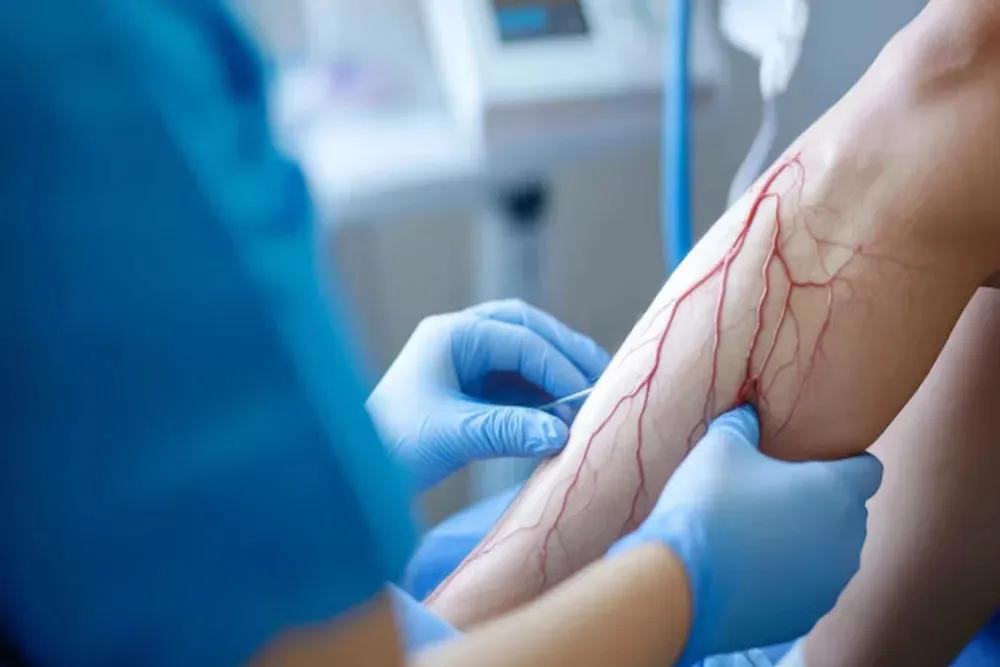
Vascular Surgery in Islamabad
The primary objective of vascular surgery is not simply to treat existing symptoms but to prevent dangerous complications before they occur. Timely intervention can significantly reduce the likelihood of permanent disability, organ damage, or life-threatening emergencies. When blocked arteries are opened or bypassed, healthy blood flow returns to affected tissues. Improved circulation helps relieve pain, supports wound healing, and minimizes tissue damage. In patients Vascular Surgery in Islamabad with severe peripheral artery disease, restoring circulation may prevent the need for limb amputationRepairing aneurysms before rupture dramatically lowers the risk of catastrophic internal bleeding. Similarly, treating carotid artery disease can reduce the chance of stroke by restoring blood flow to the brain and preventing plaque-related blockages.For individuals with chronic venous disease, correcting damaged veins reduces swelling, improves circulation, and prevents long-term skin ulcers that are often difficult to heal.
Warning Signs That Should Never Be Ignored
Vascular disease frequently develops without noticeable symptoms during its early stages. However, as circulation becomes increasingly compromised, several warning signs may appear.Persistent leg pain while walking that improves with rest may indicate peripheral artery disease. Cold feet, numbness, slow-healing wounds, or changes in skin color also suggest reduced blood flow.Sudden swelling accompanied by pain in one leg may signal deep vein thrombosis, requiring immediate medical attention.Visible bulging veins associated with heaviness, itching, or aching should also be evaluated since untreated vein disease can gradually worsen over time.Individuals experiencing dizziness, temporary vision changes, facial weakness, or difficulty speaking should seek urgent medical assessment because these symptoms may indicate reduced blood flow to the brain.Recognizing these symptoms early allows treatment before complications become significantly more difficult to manage.
Advantages of Early Surgical Intervention
Early treatment often produces better long-term outcomes than waiting until disease becomes severe. Restoring circulation before permanent tissue damage develops increases the likelihood of full recovery while reducing treatment complexity.Patients who undergo vascular intervention before complications arise frequently experience shorter recovery periods, fewer hospitalizations, and improved physical function. Early treatment also decreases healthcare costs associated with advanced disease management.Most importantly, timely vascular care helps preserve independence by allowing patients to remain active and maintain normal daily activities without progressive disability.
Recovery After Vascular Surgery
Recovery varies depending on the procedure performed and the patient's overall health. Many minimally invasive treatments require only short hospital stays, allowing patients to return home within one or two days.During recovery, physicians encourage gradual increases in physical activity to improve circulation while monitoring incision healing and blood vessel function. Follow-up appointments remain essential to evaluate treatment success and detect any recurrent vascular problems.Patients who adopt healthier lifestyles after surgery generally experience better long-term outcomes. Regular exercise, balanced nutrition, medication adherence, and smoking avoidance all contribute to maintaining healthy circulation.
Who May Benefit Most from Vascular Surgery?
Individuals diagnosed with arterial blockages, aneurysms, severe varicose veins, carotid artery narrowing, chronic leg ulcers, or recurrent blood clots often benefit from vascular evaluation.Patients with diabetes deserve particular attention because diabetes accelerates blood vessel damage and increases the risk of limb-threatening circulation problems. Likewise, smokers and individuals with high blood pressure or elevated cholesterol should undergo appropriate vascular assessment if symptoms develop.Older adults frequently experience vascular disease due to age-related changes in blood vessel structure. However, early diagnosis allows many patients to receive effective treatment before significant complications occur.
Preventing Future Vascular Problems
Although surgery addresses existing vascular disease, long-term prevention remains equally important. Maintaining healthy blood vessels requires continuous attention to lifestyle habits and medical management.Regular physical activity improves circulation while helping control body weight and blood pressure. A balanced diet rich in fruits, vegetables, whole grains, and healthy fats supports cardiovascular health while reducing cholesterol levels.Routine medical checkups allow healthcare providers to monitor blood pressure, blood sugar, and cholesterol. Early detection of abnormalities enables prompt intervention before vascular disease progresses.Avoiding tobacco products remains one of the most effective ways to protect blood vessels throughout life. Smoking damages arteries, promotes clot formation, and significantly increases the risk of vascular complications.
The Importance of Individualized Care
Every patient presents unique vascular challenges influenced by age, medical history, disease severity, and personal health goals. Successful treatment therefore requires individualized planning rather than a single standardized approach.Experienced vascular surgeons carefully evaluate imaging studies, laboratory results, and physical examination findings before recommending treatment. Personalized care ensures that each patient receives the most suitable intervention while minimizing unnecessary risks.Continuous follow-up after treatment further supports long-term vascular health by identifying changes early and allowing prompt management whenever necessary.
Conclusion
Vascular disease should never be considered a minor health concern because untreated circulation problems can lead to severe and sometimes irreversible complications. Fortunately, modern Vascular Surgery in Islamabad offers advanced diagnostic methods and highly effective treatment options capable of restoring healthy blood flow and preventing many dangerous outcomes.