

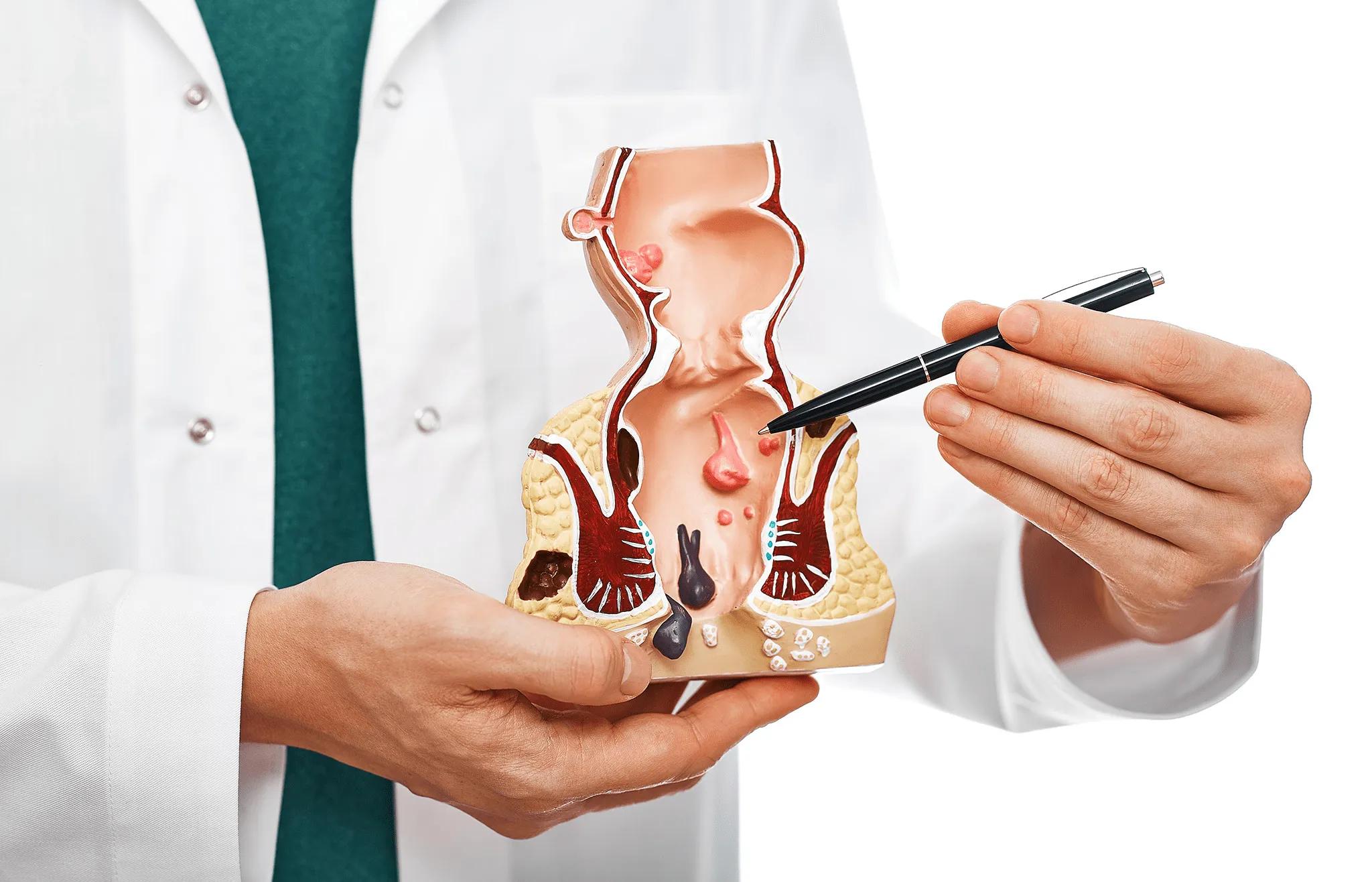
Piles Treatment in Islamabad
There are many medical concerns that people hesitate to discuss, especially when they involve discomfort in sensitive areas of the body. Piles is one such condition that often causes pain, irritation, and difficulty in daily life, yet many individuals delay treatment due to fear of surgery or embarrassment. The good news is that modern medicine now offers several effective non-surgical options that can manage and even resolve symptoms in many cases. In fact, Piles Treatment in Islamabad has evolved significantly, with clinics offering advanced techniques that focus on comfort, quick recovery, and minimal intervention.
Understanding What Piles Really Are
Piles, medically known as hemorrhoids, are swollen blood vessels located in or around the rectal area. These swollen veins develop due to increased pressure in the lower rectum, often caused by constipation, prolonged sitting, pregnancy, or a low-fiber diet. They may be internal or external, and their severity can vary from mild irritation to significant pain and bleeding.In early stages, symptoms may include itching, mild discomfort, or slight bleeding during bowel movements. As the condition progresses, swelling and pain can become more noticeable, affecting normal routines. Understanding the nature of this condition is essential before exploring whether surgery is truly necessary or if alternative treatments can be effective.
When Surgery Is Not the First Option
Contrary to common belief, surgery is not always the first or only solution for piles. In fact, most mild to moderate cases can be managed without surgical intervention. Doctors usually recommend conservative or minimally invasive approaches first, depending on the severity of the condition.Non-surgical treatment is often preferred when symptoms are manageable, there is no severe prolapse, and the patient responds well to lifestyle changes and medications. Surgery is typically reserved for advanced cases where other treatments fail or complications arise.
Lifestyle Changes as the First Step in Treatment
One of the most important aspects of managing piles without surgery is modifying daily habits. Simple changes in lifestyle can significantly reduce symptoms and prevent the condition from worsening.Increasing fiber intake through fruits, vegetables, and whole grains helps soften stool and reduce strain during bowel movements. Drinking adequate water also plays a crucial role in maintaining digestive health. Regular physical activity improves bowel function and reduces pressure on rectal veins.Avoiding prolonged sitting, especially on hard surfaces, can also help reduce discomfort. These basic adjustments are often the foundation of non-surgical care and can greatly improve overall symptoms.
Medications for Symptom Relief
In many cases, doctors prescribe medications to control pain, swelling, and irritation. These may include topical creams, suppositories, or oral medications designed to reduce inflammation and improve blood flow in the affected area.Pain-relieving ointments help soothe discomfort, while stool softeners make bowel movements easier and less painful. In some cases, flavonoid-based medications are used to strengthen blood vessels and reduce swelling.Although medications do not permanently remove piles, they are highly effective in managing symptoms and preventing worsening of the condition when used correctly under medical supervision.
Non-Surgical Medical Procedures
Advancements in medical technology have introduced several minimally invasive procedures that do not require traditional surgery. These methods are highly effective for moderate cases and offer quicker recovery times.One commonly used method is rubber band ligation, where a small band is placed around the base of the hemorrhoid to cut off blood supply, causing it to shrink naturally. Another option is sclerotherapy, where a special solution is injected into the swollen vein to reduce its size.Infrared coagulation is another technique that uses heat to shrink hemorrhoidal tissue. These procedures are typically performed in outpatient settings, allowing patients to return home the same day.
Role of Laser Treatment in Modern Care
Laser-based procedures have become increasingly popular due to their precision and minimal discomfort. Laser energy is used to shrink or remove hemorrhoidal tissue without causing significant damage to surrounding areas.This method reduces bleeding, minimizes pain, and speeds up recovery compared to traditional surgical techniques. Many patients prefer this option because it offers a balance between effectiveness and comfort, especially in early to moderate cases.Laser treatment is often considered a bridge between conservative care and full surgery, providing long-term relief without extensive downtime.
Dietary Management and Its Importance
Diet plays a major role in both the development and treatment of piles. A diet low in fiber is one of the most common contributing factors, while a fiber-rich diet supports healing and prevents recurrence.Foods such as leafy greens, oats, bananas, and whole grains help regulate bowel movements and reduce strain. Avoiding spicy foods, processed meals, and excessive caffeine can also help minimize irritation.Proper dietary management not only supports non-surgical treatment but also plays a long-term role in preventing the condition from returning.
Importance of Early Diagnosis
Early detection significantly increases the chances of successful non-surgical treatment. Many individuals ignore initial symptoms, assuming they will resolve on their own. However, untreated piles can gradually worsen over time.Consulting a specialist at the early stage allows for a more effective treatment plan that may not require surgery. Doctors can assess the severity of the condition and recommend appropriate measures based on individual needs.Early diagnosis also reduces the risk of complications such as severe bleeding or prolapse.
Can All Cases Be Treated Without Surgery?
While many cases can be managed without surgery, not every situation qualifies for non-surgical treatment. Severe or advanced piles, especially those with significant prolapse or chronic bleeding, may require surgical intervention for complete resolution.However, even in such cases, non-surgical methods are often used initially to stabilize symptoms before considering surgery. The approach is usually gradual and tailored to the patient’s condition.This ensures that surgery is only performed when absolutely necessary, making treatment safer and more patient-friendly.
Recovery and Long-Term Management
Non-surgical treatments generally offer faster recovery compared to surgical procedures. Most patients can resume normal activities within a short period, especially when minimally invasive methods are used.However, long-term success depends on maintaining healthy habits. Without lifestyle changes, there is a risk of recurrence even after successful treatment.Regular follow-ups with a healthcare provider help monitor progress and ensure that the condition remains under control.
Psychological Comfort and Quality of Life
Piles can affect more than just physical health; it can also impact emotional well-being. Discomfort, pain, and embarrassment often lead to stress and reduced confidence.Non-surgical treatment options provide relief without the anxiety associated with surgery, making them a preferred choice for many individuals. As symptoms improve, patients often experience a significant improvement in quality of life, including better comfort during daily activities and improved mental well-being.
Final Thoughts
Piles can often be managed effectively without surgery, especially when diagnosed early and treated appropriately. Modern medical advancements have made it possible to control symptoms through lifestyle changes, medications, and minimally invasive procedures.While surgery remains an option for severe cases, most patients can find relief through non-surgical approaches tailored to their condition. With proper care, guidance, and timely treatment, individuals can achieve long-lasting comfort and return to normal life without undergoing invasive procedures.